November 2, 2026
Hiring a contractor is an important decision when planning home improvements, repairs, or renovations. Whether the project involves replacing a roof, updating an exterior, or improving the functionality of a property, the quality of the work can influence the home's value, safety, and long-term condition. Asking the right questions before work begins helps homeowners understand what to expect and make informed decisions about their investment. It also provides an opportunity to discuss project timelines, material choices, costs, and potential challenges before construction starts. A qualified local roofing company can help homeowners understand roofing-specific concerns, while a general building contractor may coordinate several aspects of a broader improvement project. O'Neil Home Improvements understands the importance of clear communication and careful planning when approaching home improvement work. Before signing an agreement, homeowners should take time to evaluate a contractor's experience, working methods, and approach to customer communication. The following questions can help establish expectations and support a smoother construction experience.
1. What Experience Do You Have With Similar Projects?
A contractor's experience can provide valuable insight into whether they are prepared to handle a particular home improvement project. Homeowners should ask how long the contractor has been working in the industry and whether they have completed projects with comparable requirements. Experience with similar properties can be especially helpful when a project involves unusual roof designs, aging structures, or specialized materials. Reviewing photographs of previous work may help homeowners evaluate the contractor's workmanship and attention to detail. References from previous customers can also provide information about communication, scheduling, and the overall project experience. For roofing projects, homeowners should ask whether the contractor has experience with the specific roofing materials being considered. According to RubyHome, asphalt shingles are used in approximately 80% of roofing projects, making them the most common roofing material in its cited comparison. Understanding a contractor's familiarity with different materials helps homeowners determine whether the professional can meet their property's specific needs.
2. Are You Properly Licensed and Insured?
Before allowing construction work to begin, homeowners should verify that the contractor meets applicable licensing and insurance requirements. Licensing requirements vary by state, county, and municipality, so it is important to understand which credentials apply to the planned project. Homeowners can ask for license information and confirm its validity through the appropriate licensing authority. General liability insurance may help protect against certain accidental property damage, while workers' compensation coverage may apply to eligible workplace injuries. The precise protections depend on the policy terms, local laws, and circumstances of a claim. Homeowners should request current documentation rather than relying solely on verbal assurances. They should also determine whether subcontractors will participate and how their insurance and qualifications are verified. A local roofing company handling roof replacement or repairs should be prepared to explain its applicable credentials and coverage before work starts.
3. What Does the Project Estimate Include?
A detailed written estimate helps homeowners understand the proposed work and compare contractors fairly. The estimate should explain the project's scope, materials, labor, expected preparation, and any other anticipated expenses. For roofing projects, homeowners may want clarification about removing existing materials, inspecting roof decking, replacing damaged sections, and installing protective underlayment. The estimate should also identify whether disposal fees, permits, flashing, and cleanup are included or billed separately. If the contractor anticipates possible hidden damage, the estimate should explain how additional work will be handled. Homeowners should ask whether the quoted price is fixed or may change under specified circumstances. Reviewing these details before signing can reduce misunderstandings and make budgeting easier. A local roofing company that provides clear documentation helps homeowners understand the financial commitments associated with the proposed project.
4. Which Materials Do You Recommend and Why?
Material selection affects a project's appearance, durability, maintenance requirements, and overall cost. Homeowners should ask contractors to explain the advantages and disadvantages of the materials suitable for their property's design and local climate. Roofing options may include asphalt shingles, metal panels, tile, and other systems, depending on the building structure and applicable requirements. Each option has different installation specifications, weight considerations, maintenance needs, and expected service life. Homeowners should also ask about manufacturer warranties and whether the proposed products are appropriate for the roof's slope and configuration. Material samples, product specifications, and photographs of completed projects can help clarify the available choices. Rather than choosing solely by appearance or initial price, homeowners should consider the long-term implications of each option. An experienced local roofing company can explain how material selection affects the installation process and the roof's expected performance.
5. What Is the Expected Project Timeline?
Understanding the schedule helps homeowners prepare their households and coordinate other responsibilities around construction. Contractors should provide an estimated start date, expected completion period, and explanation of factors that could affect the schedule. Weather conditions, material availability, inspection requirements, and unexpected structural problems may delay certain projects. Roofing work can be particularly sensitive to rainfall and other conditions that affect safe installation and moisture protection. Homeowners should ask how the contractor will communicate scheduling changes and whether temporary protective measures will be used if work must stop unexpectedly. It is also helpful to discuss working hours, property access, parking, and areas that need to remain clear. Although no contractor can guarantee that every project will finish exactly on schedule, a realistic plan helps establish expectations. Clear communication throughout construction makes it easier for homeowners to understand progress and prepare for changes when necessary.
6. How Will You Protect My Property During Construction?
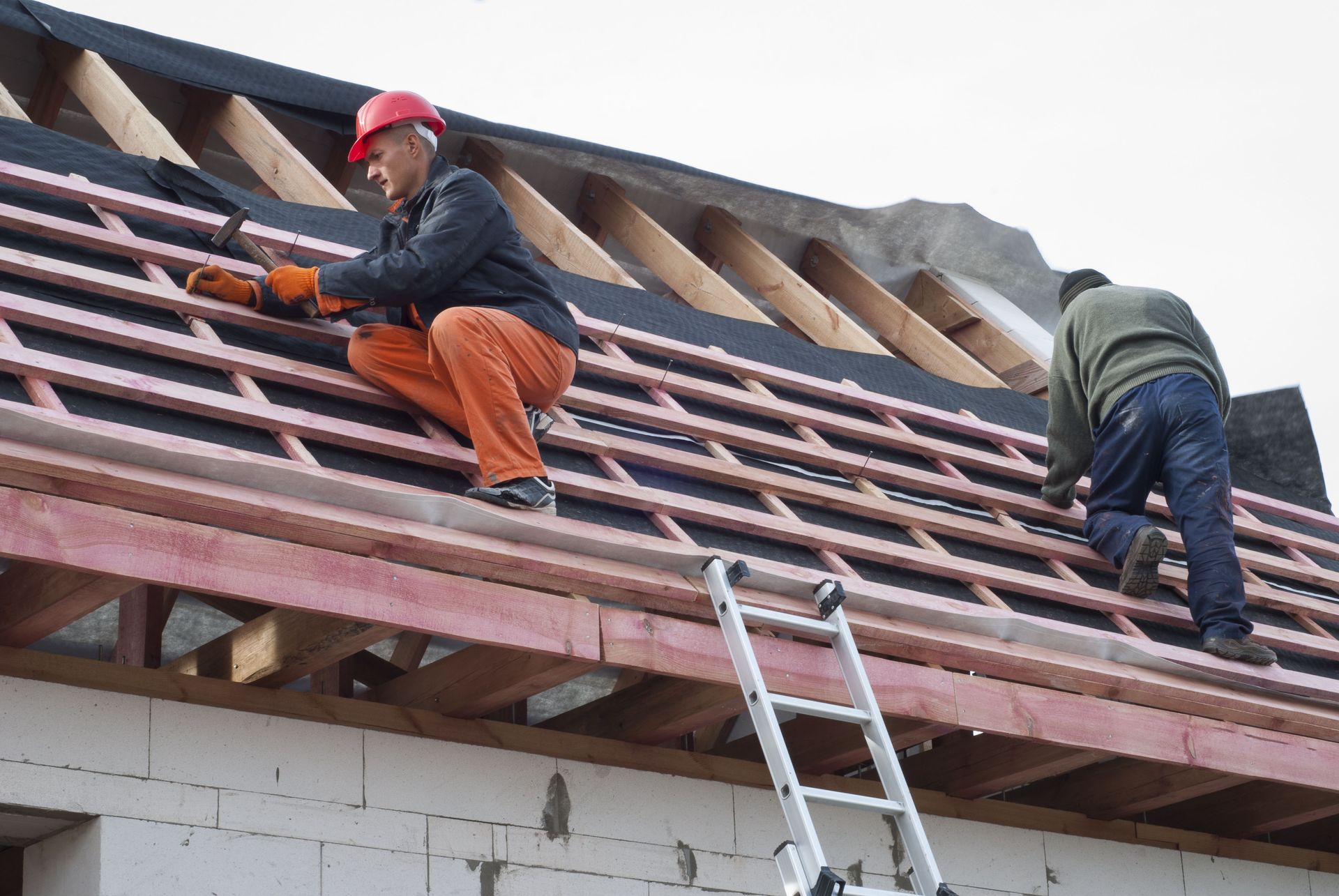
Home improvement projects can involve noise, debris, equipment, and temporary disruptions to everyday routines. Homeowners should ask what measures the contractor will take to protect landscaping, windows, outdoor furniture, walkways, and other nearby features. Roofing projects may require additional precautions because old shingles, nails, and construction debris can fall around the building. Contractors should explain how materials will be stored and how work areas will be secured throughout the project. Homeowners should also ask about cleanup procedures and whether the crew will remove construction waste when the job is complete. If household members, pets, or neighbors may be affected, advance planning can help reduce avoidable disruptions. The contractor should clarify how concerns or accidental property damage will be reported and addressed. Discussing these arrangements before construction begins helps homeowners understand what to expect from the worksite.
7. What Warranties and Guarantees Are Provided?
Warranties can help homeowners understand what protections may be available if certain materials or installation work develop problems. However, coverage varies, so it is important to distinguish between manufacturer warranties and contractor workmanship guarantees. Manufacturer warranties generally address specified product defects under stated conditions, while workmanship coverage may apply to qualifying installation-related issues. Homeowners should ask how long each warranty lasts, what exclusions apply, and whether routine maintenance is required. They should also clarify the process for submitting a claim and whether the warranty can be transferred to a future property owner. Written documentation is essential because verbal explanations may not reflect the complete terms of coverage. A local roofing company should be able to explain the warranties associated with the proposed materials and installation services. Understanding these details before signing an agreement helps homeowners evaluate the project's long-term protections.
8. How Will Changes and Unexpected Problems Be Handled?
Construction projects sometimes uncover issues that were not visible during the initial inspection. Examples may include damaged roof decking, concealed moisture problems, deteriorated framing, or unexpected code requirements. Homeowners should ask how the contractor will document these discoveries and explain the available solutions. They should also establish whether additional work requires written approval before costs are incurred. A clear change-order process helps both parties understand adjustments to the original scope, budget, and schedule. Homeowners should avoid relying on informal conversations when a proposed change affects the contractual agreement. Keeping copies of estimates, approvals, invoices, and project communications can help prevent confusion later. Discussing problem-solving procedures in advance encourages transparency and supports more informed decisions throughout the project.
It is equally important to choose a professional who explains potential challenges honestly and provides clear information about additional costs. O'Neil Home Improvements encourages homeowners to approach improvement projects with careful planning and open communication. Contact us today to discuss your home improvement goals, ask questions about your upcoming project, and take the next step toward improving and protecting your home.